Asbestos Removal newcastle
Dirt Werx delivers projects to the highest standards, offering customised service, quality workmanship and a strong commitment to safety.
30+
Years' Experience
1000+
Dwelling Demolitions
100%
Indigenous Owned
Supply Nation Registered
Residential & Commercial
Environmentally Conscious
Competitive Rates
Providing Safe Asbestos Removal
Dirt Werx provides professional asbestos removal services in Newcastle, helping homeowners, builders and businesses manage hazardous materials safely and responsibly.
With more than 30 years of industry experience, we understand the risks associated with asbestos and the importance of handling it correctly. Our team is trained to identify, remove and dispose of asbestos in line with strict safety regulations. Whether you are renovating an older property or preparing a site for demolition, we deliver reliable solutions tailored to your needs.
We work across residential, commercial and civil projects, ensuring every job is completed with care and precision. Newcastle customers choose Dirt Werx for our efficient service, attention to detail and commitment to safety. We use modern equipment and proven processes to minimise risk and disruption during removal.
From initial inspection to final clearance, we keep everything straightforward and transparent. Our goal is to give you peace of mind knowing your site is safe and compliant. To arrange an inspection or request a quote, call our team today on (02) 4423 2824.

Our Newcastle Asbestos Removal Process
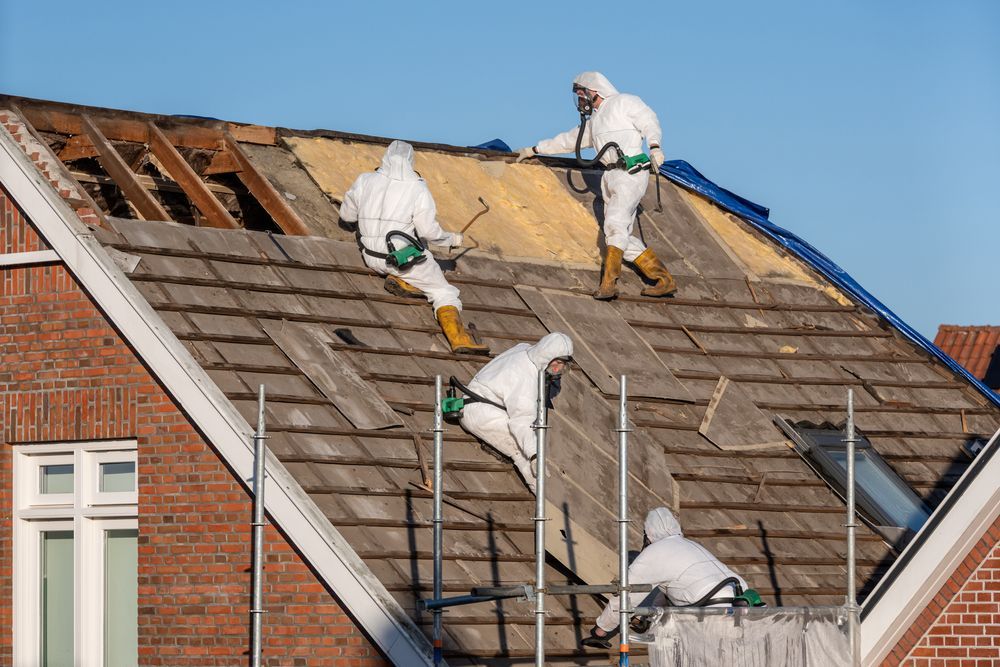
Every asbestos removal in Newcastle begins with proper classification, because friable and non-friable materials demand different licensing and control measures. Once our licensed removalists confirm the material type, we lodge the required notification with SafeWork NSW before any work starts, giving you a fully documented job from day one.
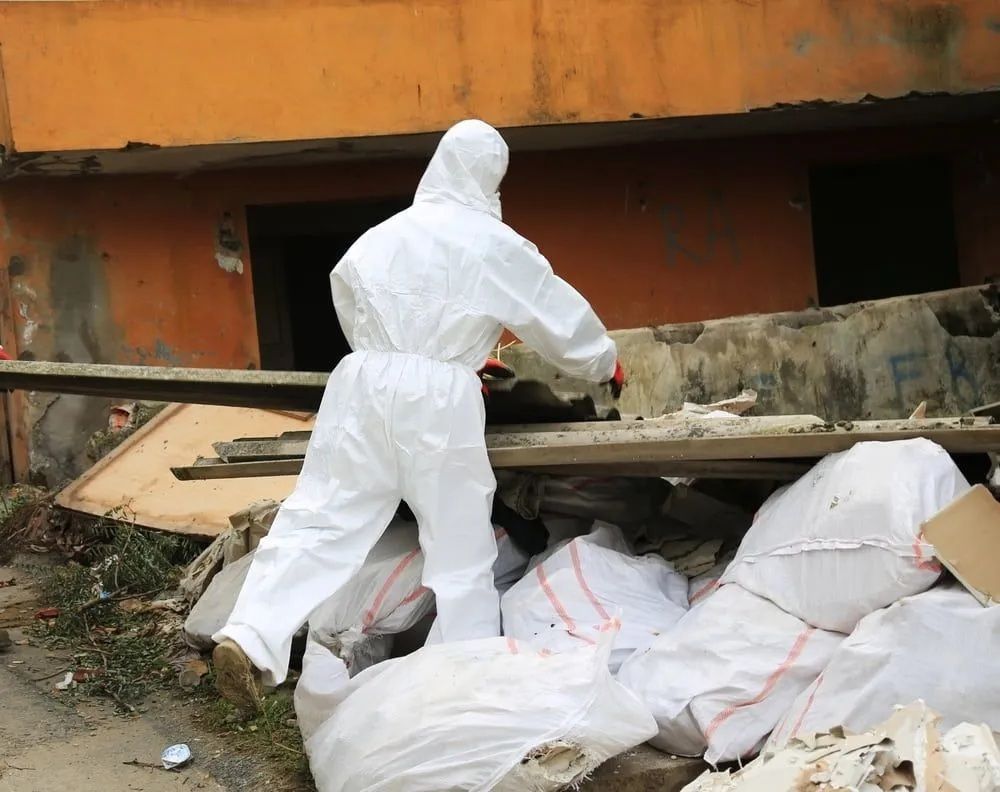
On site, we establish exclusion zones and set up decontamination units, so workers and the public stay protected throughout. For higher-risk removals, an independent occupational hygienist carries out air monitoring, providing objective readings that confirm fibre levels remain within safe limits. Removed material is double wrapped, labelled and tracked through the waste chain until it reaches a licensed facility.
At completion, we arrange a clearance inspection and supply a written certificate confirming the area is safe to reoccupy. This structured approach to asbestos removal in Newcastle means nothing is left to guesswork, and you receive a complete record of the work performed. It is a methodical system refined over three decades, designed to protect health while keeping your project moving forward without unnecessary delays.
Residential, Commercial & Industrial Asbestos Removal
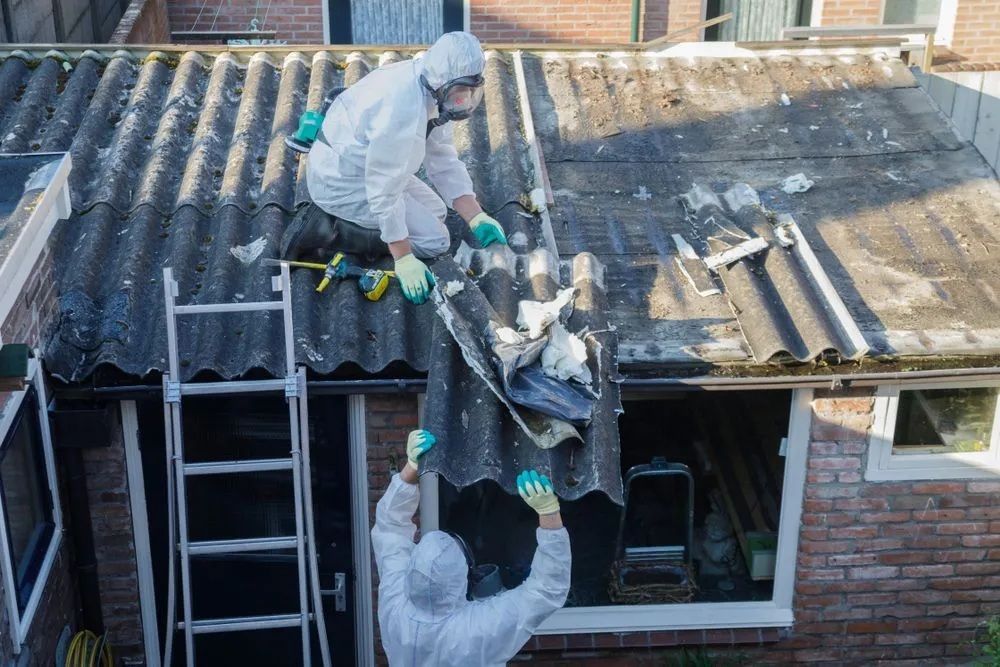
Asbestos was used widely across Newcastle buildings until the late 1980s, which is why our asbestos removal in Newcastle covers properties of every type and age. In homes, we regularly remove fibro cladding, eaves, fencing, garage sheeting and vinyl floor backing, taking particular care in occupied dwellings where families need minimal disruption.
Commercial clients rely on us for office fit-outs, retail refurbishments and hospitality upgrades, where we schedule work around trading hours to keep businesses running. Industrial sites present their own challenges, from pipe lagging and gaskets to roof sheeting across factories, warehouses and former manufacturing premises.
Each sector carries different access constraints, material quantities and safety considerations, so we tailor our methods rather than applying a single template. Larger industrial removals often involve staged programs coordinated with other trades, while residential jobs can frequently be completed in a single visit. Whatever the setting, our asbestos removal in Newcastle is delivered by the same experienced crew, applying consistent standards whether the site is a suburban cottage or a sprawling commercial complex.
Why Choose Dirt Werx for Asbestos Removal in Newcastle?
Selecting a contractor for asbestos removal in Newcastle is not a decision to rush, since the wrong choice can cost you time, money and peace of mind. We have built our reputation on doing the job properly, and there are plenty of reasons clients keep coming back to us.
Here is what sets our service apart:
- Our locally based crews understand Hunter region building stock and council requirements.
- We provide fixed, transparent quotes agreed before any work begins.
- Every removal is fully insured and backed by current licences for bonded and friable asbestos.
- You deal with one dedicated contact from your first call through to final clearance.
- We recycle and dispose of material responsibly to reduce environmental impact.
- Flexible scheduling, including weekends, keeps tight construction programs on track.
- Three decades of experience means we handle unexpected site issues calmly.
- Our team treats your property, budget and safety with genuine respect.
- We keep the worksite clean and disruption to a minimum from start to finish.
Get in touch today and see why so many Newcastle clients trust us with their asbestos removal.
Signs Your Newcastle Property May Contain Asbestos
Older Newcastle buildings often conceal asbestos in spots most owners never think to check, so recognising the warning signs early helps you plan any asbestos removal in Newcastle with confidence.
If your property predates 1990, watch for these common indicators:
- Flat or corrugated fibro sheeting on walls, ceilings and older sheds.
- Vinyl floor tiles and the dark adhesive layer sitting beneath them.
- Textured or stippled ceiling coatings applied during past renovations.
- Old bathroom and laundry linings hidden behind wall tiles.
- Weathered fencing, meter boxes and eaves showing surface damage.
- Pipe lagging or insulation wrapped around older hot water systems.
- Small dimples or a faint woven pattern across flat sheeting.
Remember that asbestos in sound, undisturbed condition rarely poses an immediate threat, but weathering, drilling or renovation can release dangerous fibres. Appearance alone can never confirm whether a material contains asbestos, so laboratory testing of a sample remains the only reliable method. If you spot any of these materials deteriorating, avoid touching them and arrange professional asbestos removal in Newcastle so a licensed specialist can assess and manage the risk safely.
Handling Hazardous Materials Safely
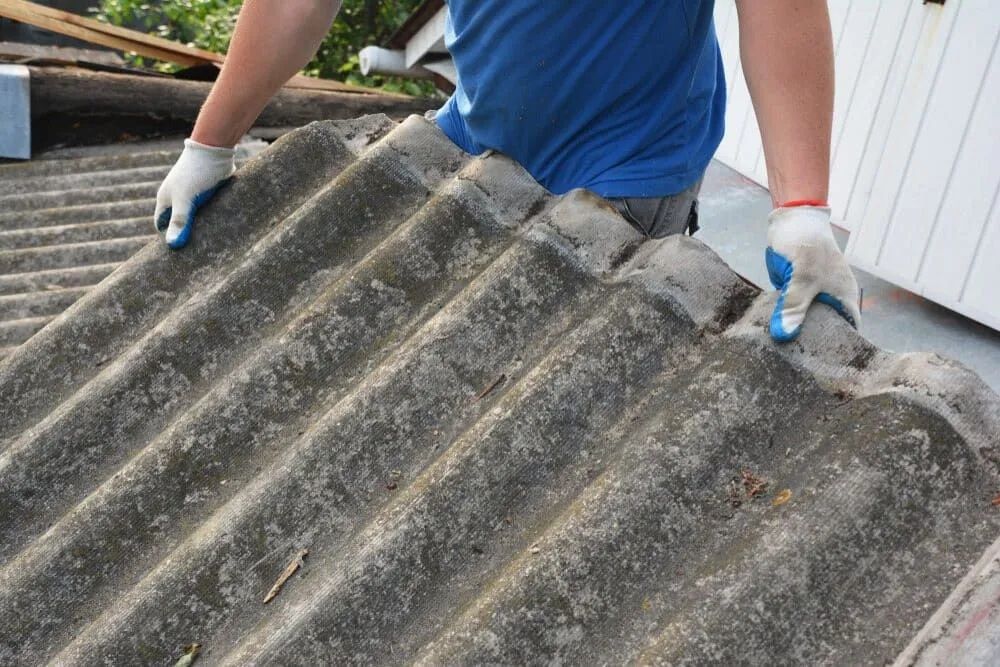
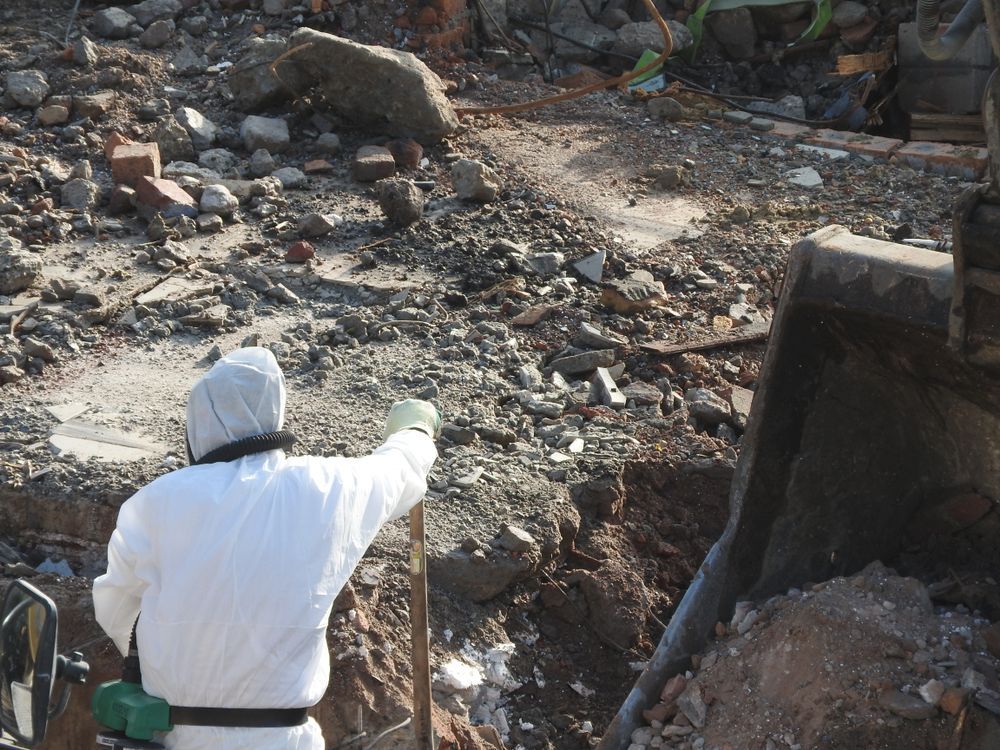
Asbestos removal in Newcastle requires a careful, structured approach, and that is exactly what Dirt Werx delivers on every project. We begin by assessing the site and identifying all asbestos-containing materials, ensuring nothing is overlooked. Once confirmed, a clear removal plan is developed to suit the property and scope of work.
Our team follows strict safety procedures, including containment methods and protective equipment, to prevent contamination during removal. We manage the entire process, including safe transport and disposal at approved facilities. This ensures compliance with all relevant regulations while protecting both occupants and surrounding areas.
Our experience working on a wide range of Newcastle sites allows us to adapt quickly to different conditions and project requirements. We also coordinate with builders and contractors where needed, making the process seamless for larger developments. Clear communication is maintained throughout, so you always know what stage the job is at.
By combining expertise, safety and efficiency, we make asbestos removal a smooth and manageable process.
Frequently Asked Questions
How do I know if my property has asbestos?
Asbestos was commonly used in Australian buildings before the late 1980s, so older properties are more likely to contain it. It can be found in materials such as roofing, wall sheeting, insulation, flooring and cement products. However, asbestos fibres are not always visible to the naked eye, which makes identification difficult without professional testing. The safest way to confirm its presence is through a licensed inspection and sample testing. If you suspect asbestos, it is important not to disturb the material, as this can release harmful fibres into the air.
Is asbestos dangerous to health?
Yes, asbestos is considered highly dangerous when its fibres become airborne and are inhaled. Prolonged exposure can lead to serious health conditions, including asbestosis, lung cancer and mesothelioma. These diseases often develop over many years, making early exposure difficult to detect. The risk is highest when asbestos-containing materials are damaged, cut or disturbed. That is why proper handling and removal by trained professionals is essential to reduce health risks.
Can I remove asbestos myself?
In some cases, minor asbestos removal may be permitted for non-friable materials, depending on local regulations. However, it is generally not recommended due to the significant health risks involved. Improper handling can release dangerous fibres into the air, putting both the person carrying out the work and others nearby at risk. Licensed professionals have the training, equipment and procedures required to safely remove and dispose of asbestos. For most situations, especially larger or more complex projects, professional removal is the safest and most compliant option.
What happens after asbestos is removed?
After asbestos removal, the site is carefully cleaned and inspected to ensure all hazardous materials have been properly cleared. In many cases, air monitoring or clearance certification may be conducted to confirm the area is safe for reoccupation. The removed asbestos is transported to approved disposal facilities and handled according to strict environmental guidelines. Once the process is complete, the site is ready for the next stage of work, whether that is renovation, construction or demolition. Proper post-removal procedures are essential to ensure long-term safety and compliance.