How to Tell if Your Property Contains Asbestos
Asbestos was widely used in Australian construction for decades, particularly in homes built or renovated before the late 1980s. Because of its durability and fire-resistant properties, it was included in a wide range of building materials. Today, many properties may still contain asbestos, often without the owner realising it.
For homeowners, renovators and property managers, the challenge is knowing where asbestos might be present and what steps to take next. Since asbestos materials can look similar to other products, identifying it is not always straightforward. Understanding the common indicators and risk areas can help you act early and avoid unnecessary exposure.
What Is Asbestos & Why It’s Dangerous
Asbestos is a naturally occurring mineral that was commonly used in construction due to its strength and resistance to heat. While it was once considered practical, it is now recognised as a hazardous material when disturbed.
The danger lies in the microscopic fibres that can be released into the air. These fibres are not visible and can be inhaled without immediate symptoms.
Key risks include:
- Airborne fibres that are easily inhaled
- Health concerns linked to prolonged exposure
- Increased risk when materials are cut, drilled or damaged
- Difficulty detecting fibres without specialised testing
Common Places Asbestos Is Found
Asbestos was used across many areas of residential and commercial construction. This means it can still be present in multiple parts of a property, particularly if original materials remain intact.
Knowing where asbestos is commonly found can help you identify areas that may require further inspection or caution.
Typical locations include:
- Internal wall and ceiling linings
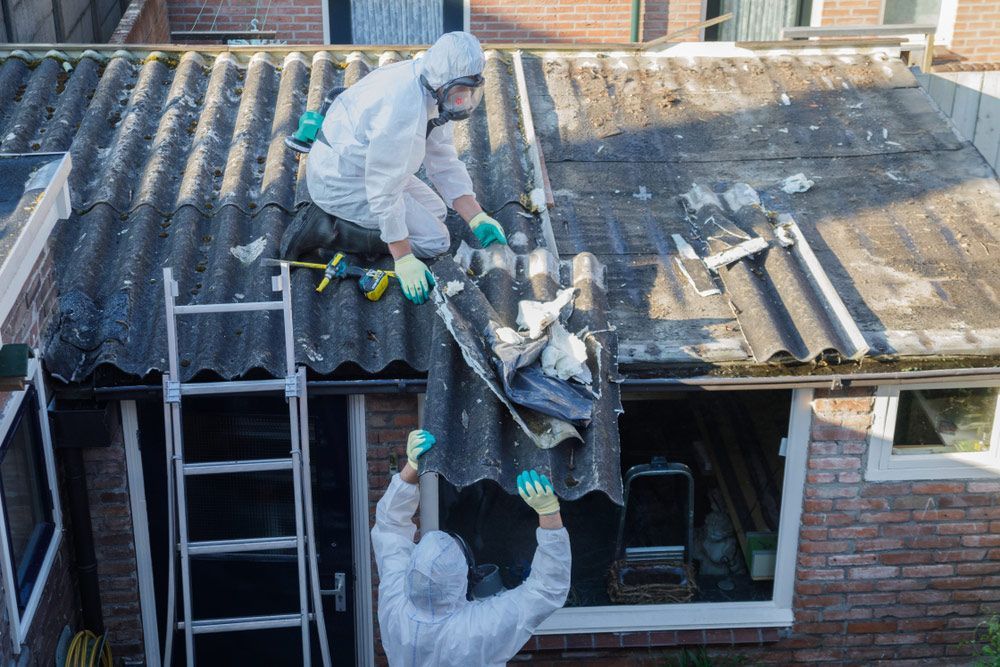
- Roofing sheets and external cladding
- Eaves, soffits and fascia boards
- Garages, sheds and fencing materials
- Flooring products such as vinyl tiles and backing
Signs Your Property May Contain Asbestos
It is not always possible to confirm asbestos just by looking at a material, but there are several indicators that may suggest its presence. One of the most important factors is the age of the property, especially if it has not undergone significant renovations.
Certain visual characteristics can also provide clues, although professional testing is required for confirmation.
Possible signs include:
- Cement-based sheeting with a fibrous appearance
- Flat or corrugated panels in older structures
- Materials that appear brittle, chalky or worn
- Areas where original building materials are still in place
- Older outbuildings or extensions using similar materials
Why You Shouldn’t Disturb It
Asbestos becomes a risk when it is disturbed. Activities such as drilling, sanding, cutting or removing materials can release fibres into the air, increasing the chance of exposure.
Even small disturbances can lead to fibres spreading through the surrounding environment, making it difficult to contain the issue. This is why caution is essential when dealing with suspected materials.
Risks of disturbance include:
- Release of fine fibres into the air
- Contamination of nearby surfaces and areas
- Increased exposure risk for occupants and workers
- Difficulty safely managing the material without proper equipment
What to Do If You Suspect Asbestos
If you believe asbestos may be present in your property, the most important step is to avoid disturbing the material. Attempting to investigate or remove it without proper knowledge can increase the risk of exposure.
Taking a careful and informed approach helps ensure the situation is handled safely.
Recommended steps include:
- Leave the material undisturbed and avoid handling it
- Keep the area isolated where possible
- Arrange for professional inspection or testing
- Follow expert advice on whether removal or management is required
- Avoid DIY removal or repair attempts
Why Professional Asbestos Removal Matters
Professional asbestos removal is essential for ensuring the material is handled safely and in accordance with Australian regulations. Licensed specialists have the training, equipment and procedures needed to manage asbestos without increasing risk.
Attempting to remove asbestos without the correct approach can lead to widespread contamination and ongoing hazards. Engaging professionals helps reduce these risks and ensures the job is completed properly.
Key benefits of professional asbestos removal include:
- Controlled handling to minimise fibre release
- Use of specialised equipment and safety procedures
- Compliance with legal and environmental requirements
- Safe transport and disposal at approved facilities
- Thorough clean-up of affected areas
Safe Asbestos Removal for Your Property
If you’re unsure whether your property contains asbestos or you’ve identified materials that may need attention, taking the next step with professional support is essential. Acting early can help prevent further complications and ensure your property remains safe.
We provide reliable asbestos removal services designed to manage the process carefully and efficiently. From initial assessment through to safe disposal, the focus is on protecting your property and those within it.
Get in touch today to discuss your situation and take the next step towards a safer environment with trusted asbestos removal support.